Industrial Blower & Vacuum Systems
Choosing blower or vacuum equipment starts with your process requirements. Tell us the required flow, pressure or vacuum, operating schedule and the gas or material involved. If existing equipment is losing performance, share the model, symptoms and recent operating changes so we can discuss repair support or replacement options. Browse the equipment below or call 901-362-5500 with your application and facility location.







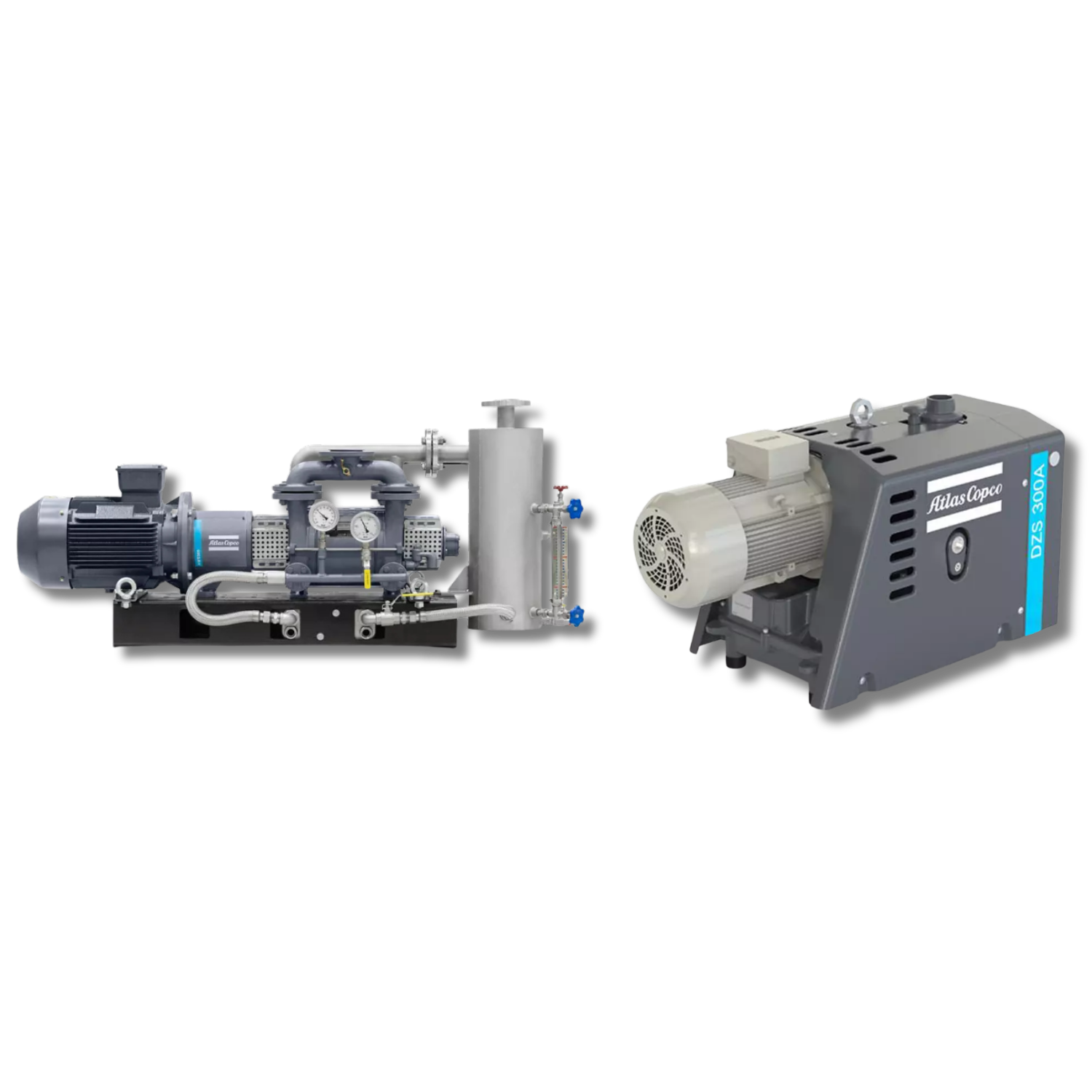
Atlas Copco Vacuum
Rotary Screw Vacuum
Oil-Sealed Vacuum Pumps
Dry Vacuum Pumps
Rotary Piston Pumps
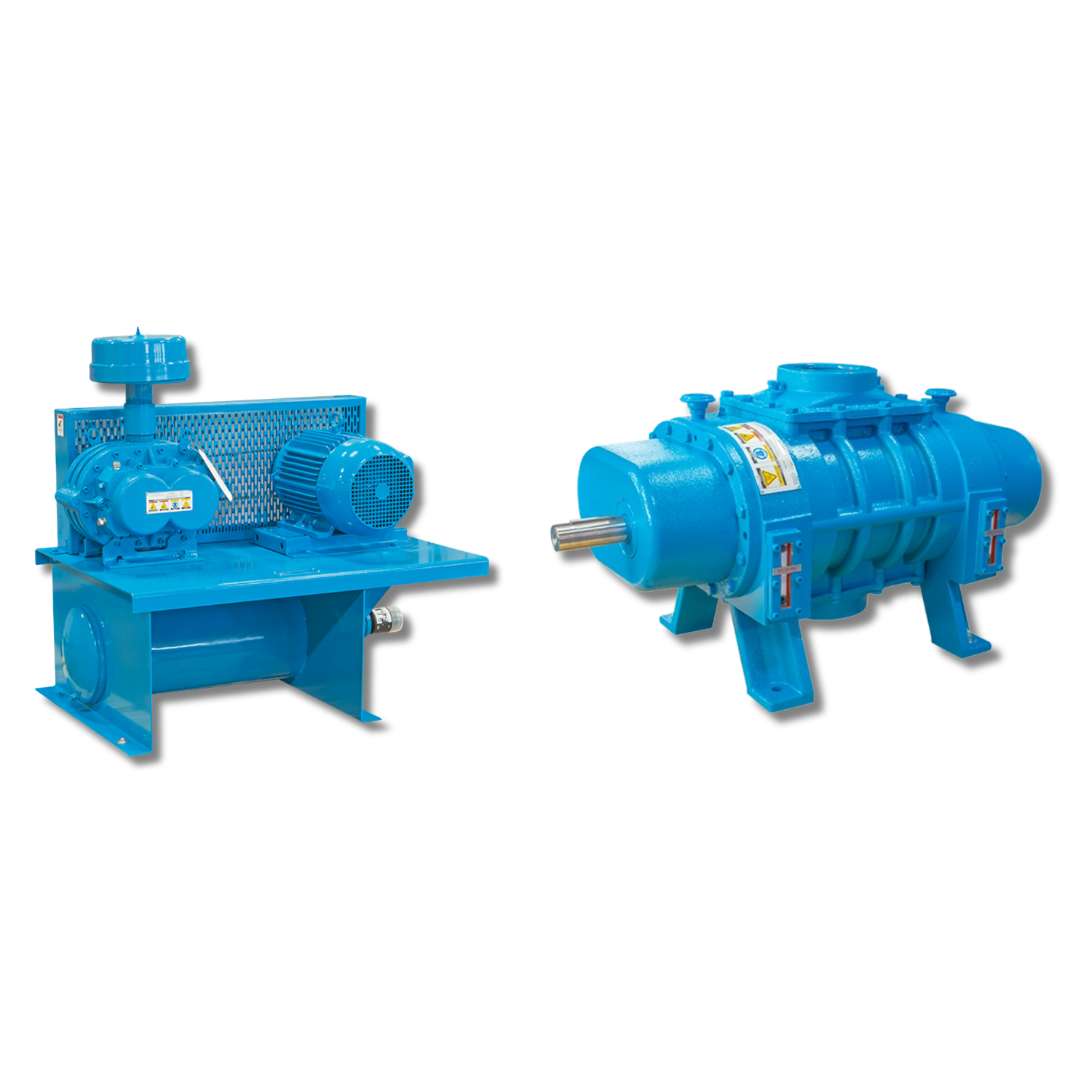
M-D Pneumatics
Positive Displacement Blower & Vacuum Systems
Competitive Drop In Replacement Bare Pumps
NES Company
Liquid Ring Vacuum Pumps
Nash Remanufactured Pumps
Separators & Repair Kits
Engineered Systems
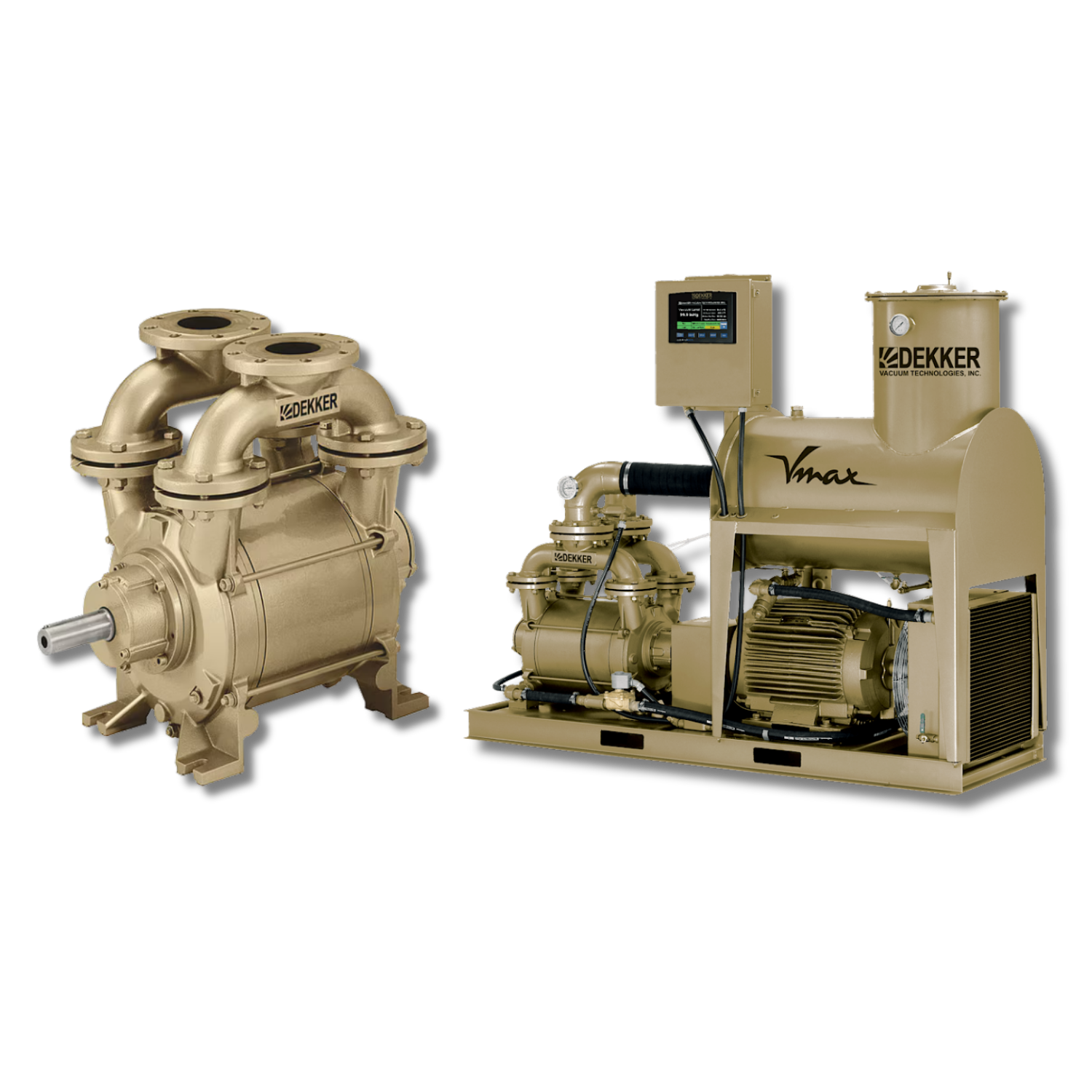
Dekker Vacuum
Liquid Ring Vacuum Pumps
Rotary Vane Vacuum Pumps
Rotary Piston Vacuum Pumps
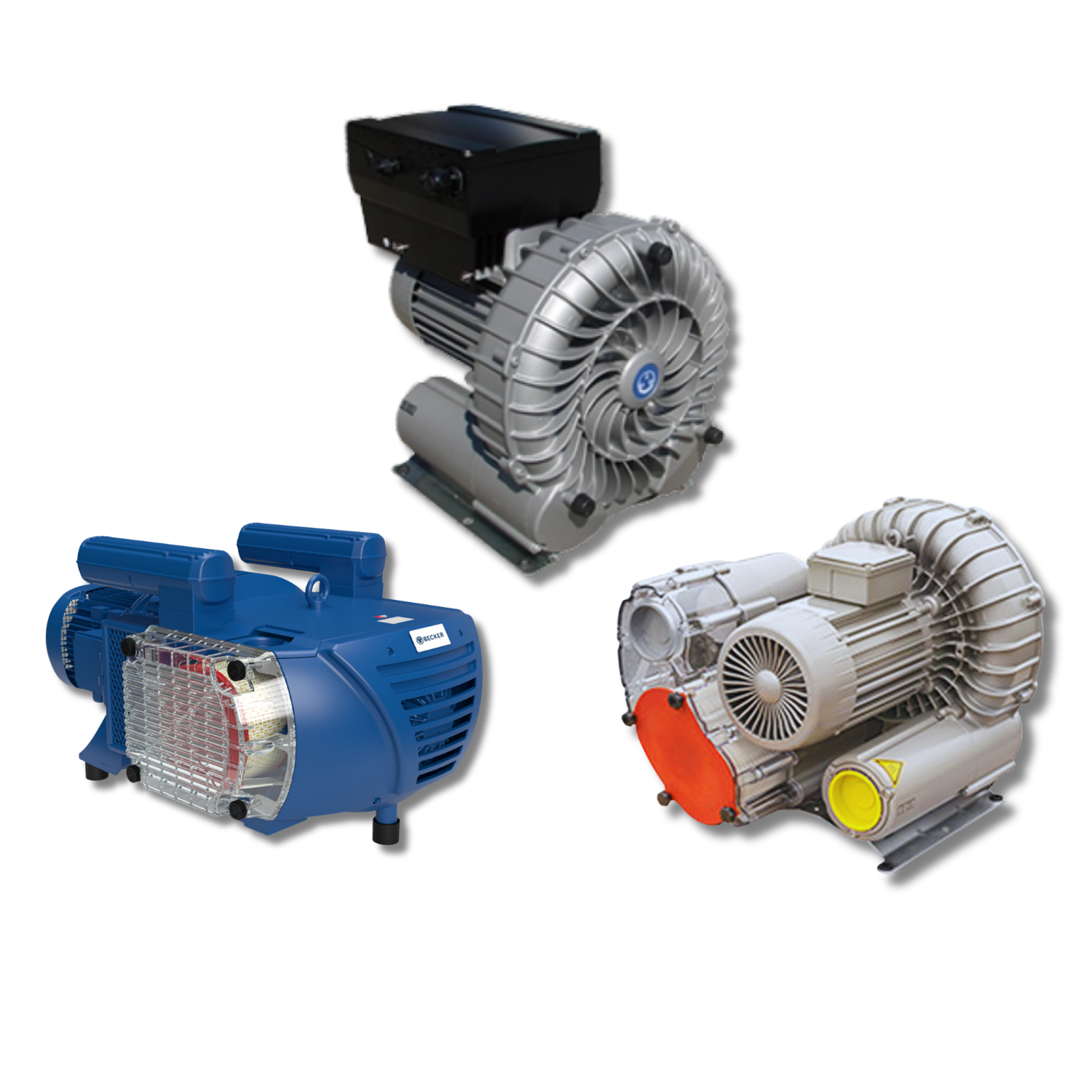
Becker
Rotary Vane Vacuum Pumps
Regenerative Blowers
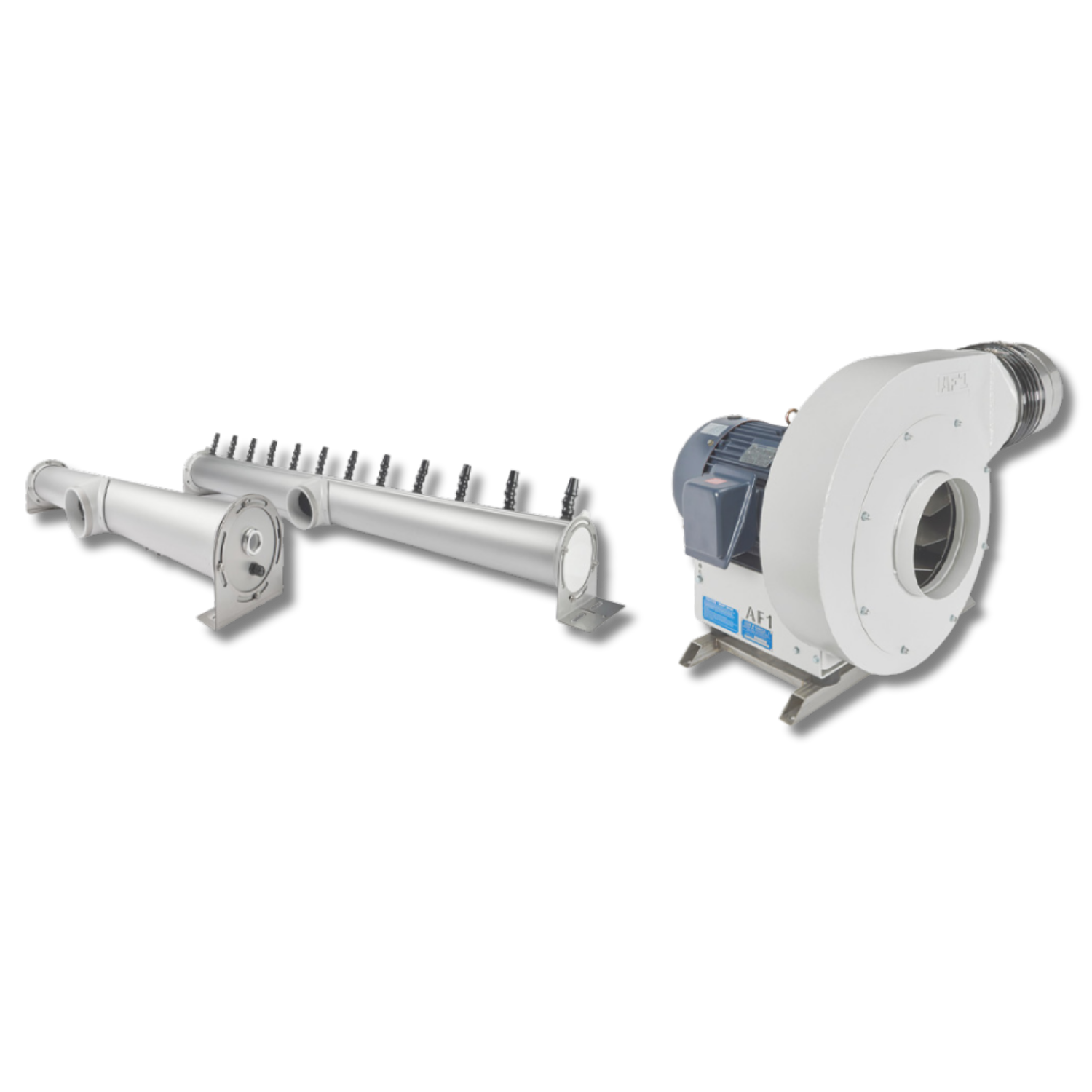
Air Force 1
Direct Drive Blowers
Air Cannon Nozzles
Air Knife Systems
Poly Processing
Chemical Storage Tanks
Crosslinked Polyethyene (XLPE) Tanks
Custom Tank Design
Blowers & Vacuum FAQ
What is the difference between a blower and a vacuum pump?
A blower moves air or gas through a system, while a vacuum pump removes gas to create reduced pressure. Selection depends on flow, pressure or vacuum, gas conditions and the process.
What applications use industrial blowers?
Common applications include pneumatic conveying, aeration, process air, drying and material handling. Each application has its own flow and pressure requirements, so equipment should be selected using operating data.
What applications use industrial vacuum systems?
Vacuum supports packaging, plastics processing, woodworking, printing, material handling and other production processes. The required vacuum level and pumping capacity depend on the equipment and how it operates.
What equipment is included in this section?
This section covers blower and vacuum technologies, gas compressors and filtration. We can help you review which equipment and accessories fit your application.
Can you help select a complete system?
Yes. Share your process requirements, utilities, operating schedule and available space with us. Selection should include piping, filtration, controls, cooling and service access as well as the main machine.
What is the difference between dry and liquid ring vacuum equipment?
A dry pumping chamber operates without a sealing liquid. A liquid ring pump uses liquid as part of the pumping process. Gas composition, moisture, vacuum level and operating costs influence the choice.
When should I consider a central vacuum system?
Consider it when several compatible users need vacuum. Compare simultaneous demand, piping losses, controls and standby needs with individual pumps before deciding whether centralization offers an advantage.
Why is my blower running hotter than usual?
Restrictions, excessive pressure, cooling problems, lubrication issues or changed operating conditions may contribute. Compare current readings with the manufacturer’s limits and the machine’s normal operation before deciding on corrective work.
Why is my vacuum system losing performance?
Leaks, restrictions, contaminated fluids, wear or increased process demand can reduce performance. Measure conditions at the pump and point of use to help separate pump problems from system losses.
What warning signs suggest equipment needs service?
Unexpected noise, vibration, temperature changes, leakage or slower production cycles deserve attention. Record the symptoms, alarms and operating conditions so we have useful information when discussing your service needs.
How often should blowers and vacuum pumps be maintained?
Follow the exact model’s maintenance schedule and account for runtime, contamination, temperature and duty. Different technologies need different tasks; an oil-free chamber does not make the entire machine maintenance-free.
Can older equipment be rebuilt?
A rebuild may be practical after inspection. Compare condition, repair scope, parts availability, downtime and current production requirements before deciding whether repair or replacement is the better option.
Why does inlet filtration matter?
Contaminants can damage internal components or restrict performance. Choose filtration for the actual gas flow, pressure or vacuum, contaminant type and service conditions, and maintain it as part of the system.
Can system improvements reduce energy use?
Correcting leaks, restrictions, unnecessary pressure or vacuum, and control problems may help. Use representative measurements before and after changes to determine the actual benefit for your facility.
Where can I find blower and vacuum repair near me?
Call us at 901-362-5500 to discuss blower or vacuum repair for your facility. We support customers through our Memphis, Jackson, Little Rock, Springdale and Tupelo locations. Have your equipment model, symptoms and jobsite location ready so we can confirm the appropriate service contact and availability for your area.
What should I provide for a blower or vacuum quote?
Tell us the required flow and pressure or vacuum, handled gas, temperature, moisture, contaminants, operating hours and electrical supply. Include your jobsite location, existing equipment information and any planned production changes. Call us at 901-362-5500 or contact us online to discuss your application and the information needed for a quote.