Wilo Pumps
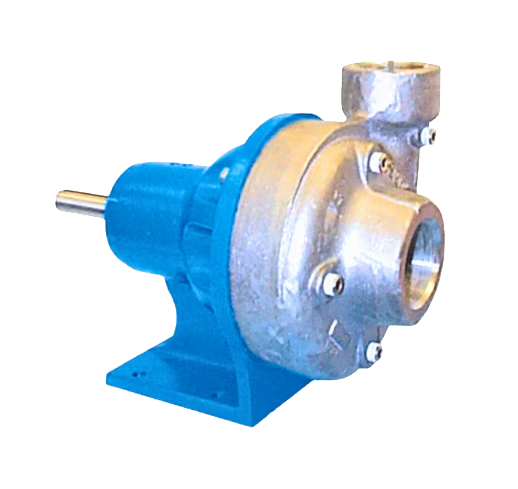
Process & Power is proud to offer Wilo Pumps, a global leader in advanced pump and pumping system solutions. Founded in 1872, Wilo has become one of the world’s most trusted names in water movement, known for its innovation, efficiency, and reliability. Wilo’s products are engineered to reduce energy costs, simplify installation, and provide dependable performance for commercial, industrial, and municipal applications.
Product Highlights
Centrifugal Pumps – Efficient solutions for HVAC, industrial water, and cooling systems.
Submersible Pumps – Designed for wastewater, stormwater, and drainage applications.
Inline Pumps – Compact, space-saving designs for building services and circulation.
Booster Systems – Complete packaged systems for consistent water pressure and supply.
Smart Pumps & Controls – Intelligent technology for monitoring, automation, and energy optimization.
Why Choose Wilo?
Global reputation for energy-efficient and sustainable pump technology
Innovative designs that reduce installation and operating costs
Wide product range for water supply, HVAC, wastewater, and industrial processes
Contact Process & Power for Wilo Pumps
Located at: 1721 Corporate Avenue • Memphis, TN 38132
Call us at: (901) 362-5500
Contact Us
Wilo Pumps FAQ
What Wilo pump applications are featured?
The page covers water circulation, pressure boosting, drainage, and wastewater duties, with equipment used in building services and industrial systems.
What is an inline pump?
Its inlet and outlet are arranged in line, which can simplify some piping layouts. Check mounting requirements, service clearance, and the required operating duty.
When is a booster system needed?
A booster raises supply pressure to meet downstream demand. Selection should use the available inlet pressure and expected flow variation, including peak usage.
Can Wilo pumps work with automated controls?
Control capability depends on the pump and package. Specify the required pressure or temperature response, external signals, and alarm connections before choosing the configuration.
Can a circulation pump also handle wastewater?
Do not assume so. Solids passage, materials, motor protection, and the hydraulic design must suit the liquid; circulation and wastewater models serve different duties.
Will a high-efficiency pump always lower my electricity bill?
Results depend on actual load, operating hours, and system control. Compare measured performance at the required duty rather than relying on an efficiency label alone.
How do I choose the right pump size?
Start with required flow and total head, then check the operating point against the pump curve. Horsepower or pipe size alone is not enough to select a pump.
Why is my pump running but delivering less flow?
Possible causes include suction restrictions, air entry, worn hydraulic components, incorrect rotation, or changed system resistance. Compare measured flow and pressures with the expected operating point.
What is cavitation, and why does it matter?
Cavitation occurs when local pressure falls low enough for vapor bubbles to form and then collapse. Review suction conditions, liquid temperature, and available inlet head when noise or performance changes appear.
What can cause excessive pump vibration?
Alignment, bearings, impeller condition, mounting, piping strain, and hydraulic conditions can all contribute. Record when vibration occurs so inspection can address the cause rather than just the symptom.
Why might a pump seal start leaking?
Dry running, unsuitable seal materials, poor flush conditions, shaft movement, or normal wear can cause leakage. Repeated failures warrant a review of the operating conditions and seal arrangement.
How often should this pump receive maintenance?
Use the model's instructions and service history to set intervals. Track operating hours, leakage, vibration, lubrication requirements, and performance changes rather than relying on a universal calendar schedule.
Should I rebuild the pump or replace it?
Compare inspection findings, parts availability, repair cost, downtime, and current duty requirements. Rebuilding is worth evaluating when the casing and major components remain suitable for the application.
Can a variable-speed drive reduce pumping costs?
It may help when demand varies and the system allows speed adjustment. Check minimum flow, motor suitability, control needs, and measured energy use before estimating savings.
How can I get local support for Wilo Pumps?
Contact Process & Power at (901) 362-5500 with your location, equipment identification, and application or service concern. The team can review selection, parts, and service options for your needs.
What should I send when requesting a quote?
Include the required duty, fluid or process details, operating conditions, utilities, and installation dimensions. For existing equipment, add nameplate photos, model and serial numbers, and a description of the problem or planned change.