Poly Processing Tanks
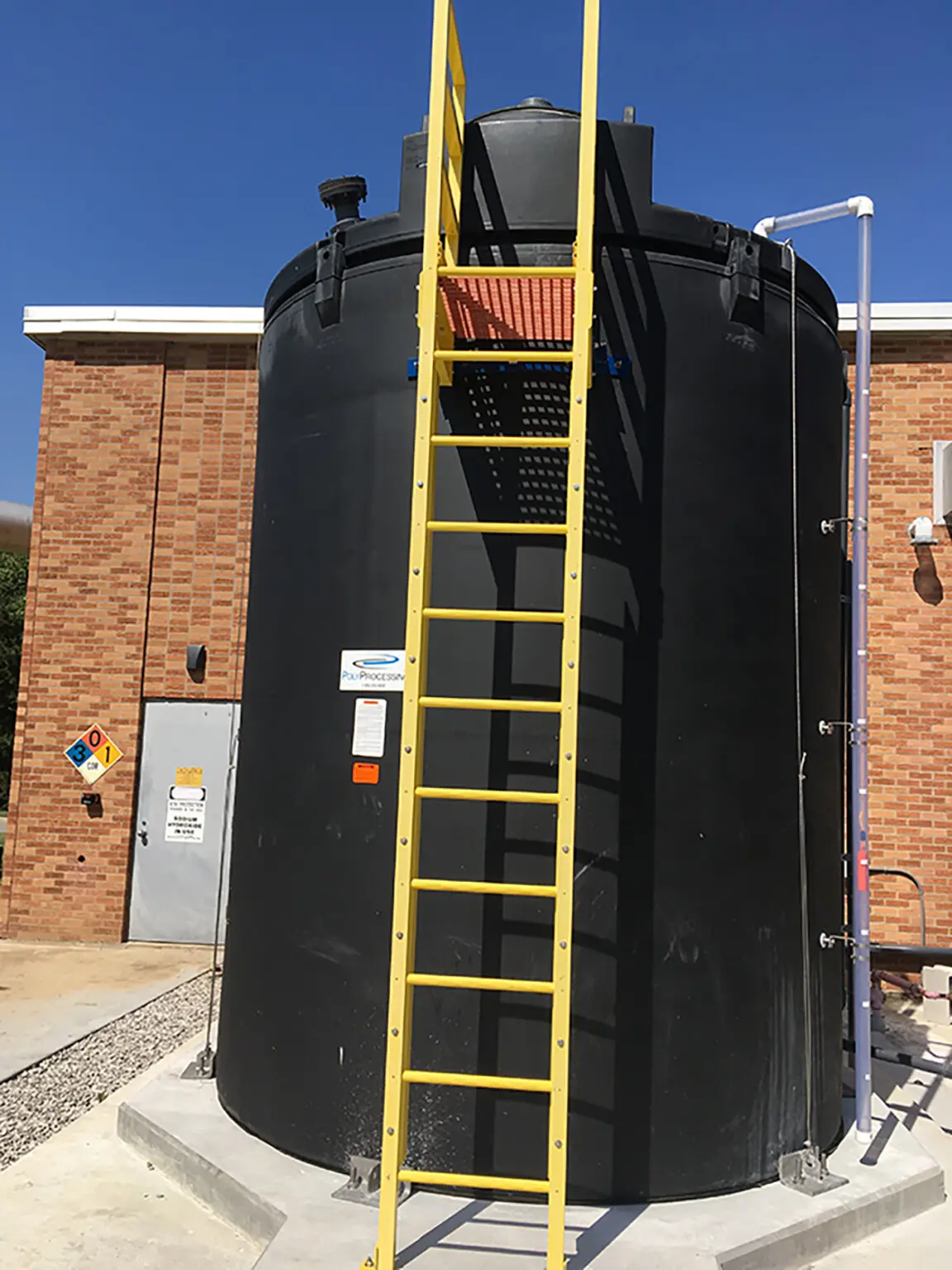
At Process & Power, we proudly supply Poly Processing, an industry leader in innovative chemical storage tank systems. With over 50 years of expertise, Poly Processing specializes in engineering tanks that provide safe, reliable containment for corrosive, hazardous, and high-purity chemicals. Their systems are trusted in industries such as water treatment, chemical processing, food & beverage, power generation, and agriculture.
Product Highlights
Crosslinked Polyethylene (XLPE) Tanks – Stronger, more durable than standard polyethylene tanks for long service life.
SAFE-Tanks® Double-Wall Systems – Built-in secondary containment to protect against leaks and spills.
Cone-Bottom Tanks – Designed for complete drainage of viscous or settling chemicals.
Vertical & Horizontal Storage Tanks – Configurable solutions for a wide variety of applications.
Custom-Engineered Systems – Tailored tank and containment packages built to meet specific application needs.
Why Choose Poly Processing?
Over five decades of expertise in chemical storage and safety
Superior materials that extend tank life and improve reliability
Innovative designs that minimize risk and protect the environment
Contact Process & Power for Poly Processing Tanks
Located at: 1721 Corporate Avenue • Memphis, TN 38132
Call us at: (901) 362-5500
Contact Us
Poly Processing Tanks FAQ
What Poly Processing products are featured?
The page includes polyethylene chemical-storage tanks, double-wall containment, cone-bottom designs, and engineered storage arrangements.
What is crosslinked polyethylene?
It is polyethylene with links between polymer chains that affect its material properties. Tank selection must still follow the manufacturer's chemical and structural requirements.
What is a SAFE-Tank arrangement?
It is a double-wall system that incorporates secondary containment. Confirm usable capacity, monitoring, access, and the requirements for the specific installation.
When should a cone-bottom tank be considered?
It may suit processes where drainage or settling behavior is important. Supporting structure, outlet design, and fluid properties should be reviewed with the tank.
Can the tank be installed outdoors?
Outdoor suitability depends on the specified tank and site conditions. Review temperature, exposure, wind, seismic requirements where applicable, and the required foundation and anchoring.
What accessories should be considered with the tank?
Depending on duty, these may include level indication, alarms, compatible fittings, vents, and containment monitoring. Define the complete operating and filling arrangement.
How do I select a chemical storage tank?
Provide chemical identity, concentration, temperature, specific gravity, working volume, and filling rate. Site conditions and connected piping must be considered with the tank material and fittings.
Does one polyethylene tank suit every chemical?
No. Suitability depends on the complete tank specification and service conditions. Confirm the material, chemical resistance system, fitting design, and temperature limits for the intended chemical.
Why is tank venting important?
Filling, emptying, and temperature changes can create pressure or vacuum. Venting must be designed for the process; an atmospheric storage tank should not be treated as a pressure vessel.
What can cause fittings to leak?
Incompatible gaskets, piping loads, movement, or installation problems can affect connections. Inspect the complete connection arrangement rather than simply tightening a leaking fitting.
What should a tank inspection cover?
Review the shell, fittings, supports, containment area, vents, and evidence of chemical attack. Follow the manufacturer's inspection guidance and maintain a record of service conditions.
Can a damaged chemical tank be repaired?
That requires manufacturer review of the material, damage, and chemical service. Do not assume a patch restores the original rating or remaining service life.
When should a storage tank be replaced?
Visible damage, material degradation, repeated fitting problems, or a change in chemical duty may justify replacement. Use a documented assessment rather than age alone.
What needs review when connecting a dosing pump?
Check outlet location, suction conditions, chemical compatibility, piping support, and isolation arrangements. Tank venting and level protection should support both normal operation and filling.
How can I get local support for Poly Processing Tanks?
Contact Process & Power at (901) 362-5500 with your location, equipment identification, and application or service concern. The team can review selection, parts, and service options for your needs.
What should I send when requesting a quote?
Include the required duty, fluid or process details, operating conditions, utilities, and installation dimensions. For existing equipment, add nameplate photos, model and serial numbers, and a description of the problem or planned change.