Industrial Pump Equipment, Selection & Service
Need a pump for a new process, a replacement for existing equipment or help with pump repair? Start with the liquid being handled, the required flow and pressure, and the operating problem you need to solve. Browse the pump options below, then call 901-362-5500 with your application, equipment details and facility location so we can discuss the appropriate equipment or service path.
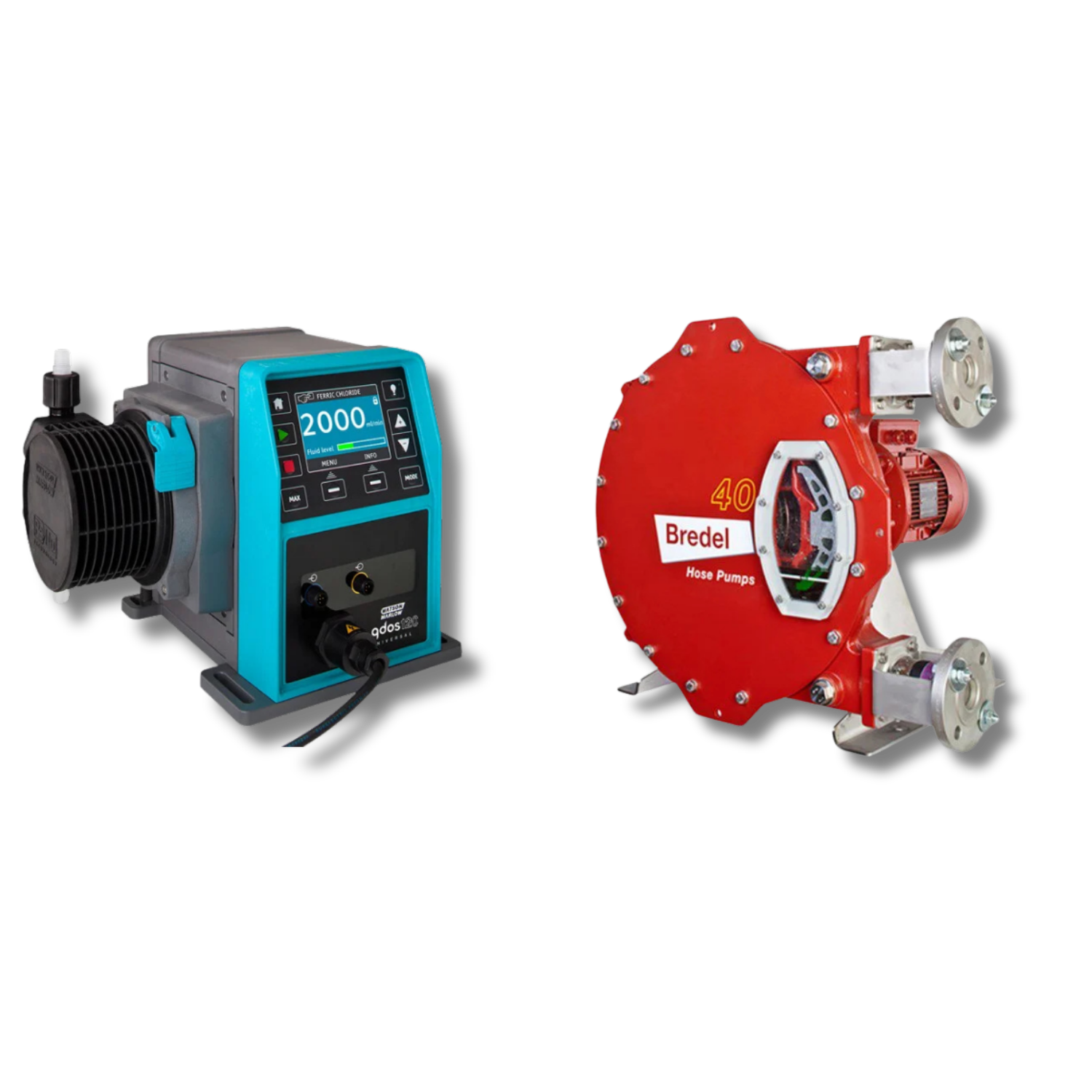
Watson Marlow
Qdos Metering Pumps
Certa Masosine Pumps
Bredel Hose Pump
APEX Hose Pumps
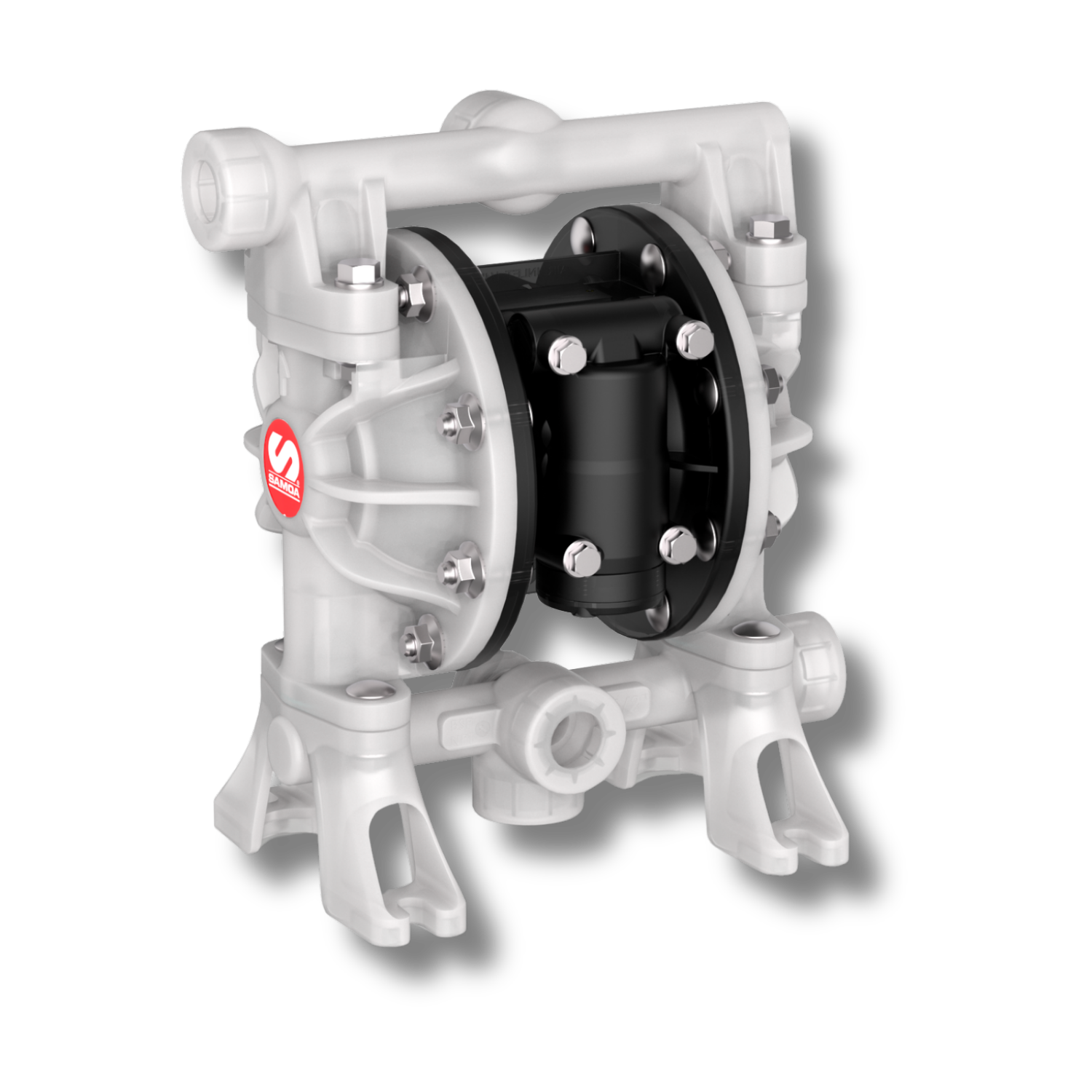
SAMOA
Air-Operated Diaphragm Pumps
Plastic Diaphragm Pumps
Metallic Diaphragm Pumps
Specialty Pumps
Piston Pumps
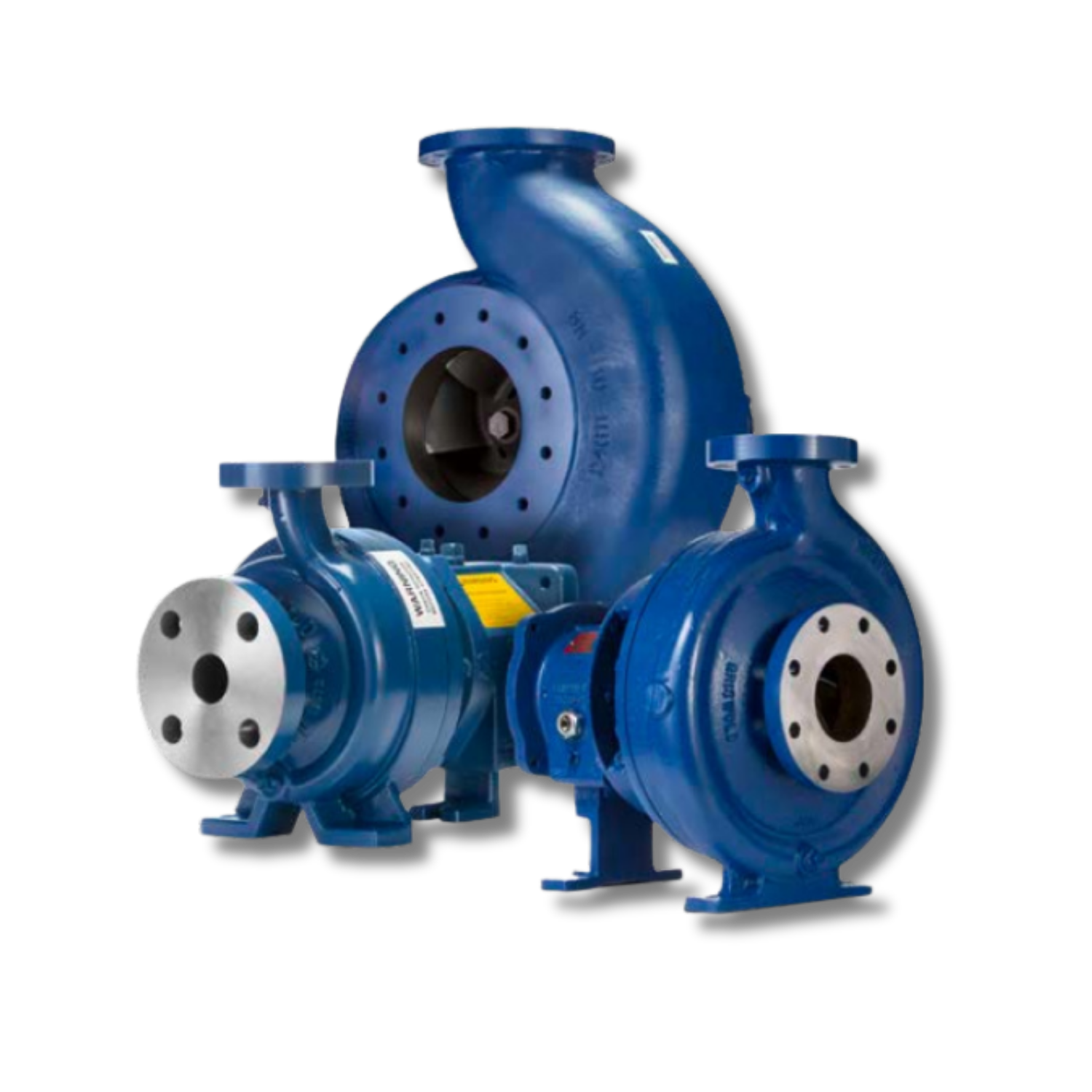
Griswold
Centrifugal Pumps
811 ANSI Series
811 Self Priming Series
811CC Closed Coupled Series
850 Series
H Series
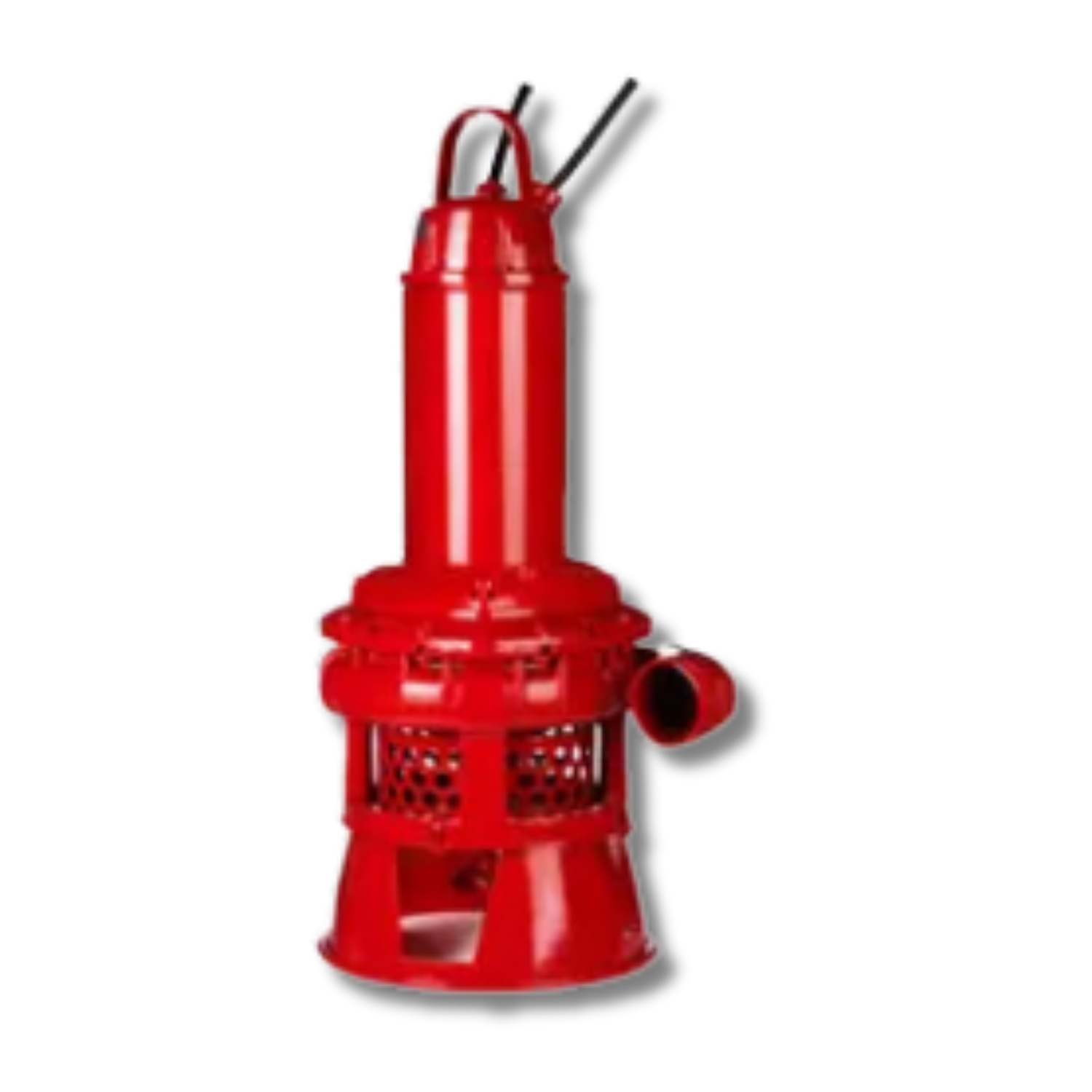
Grindex
Submersible Pumps
Drainage Pumps
Slurry Pumps
Sludge Pumps
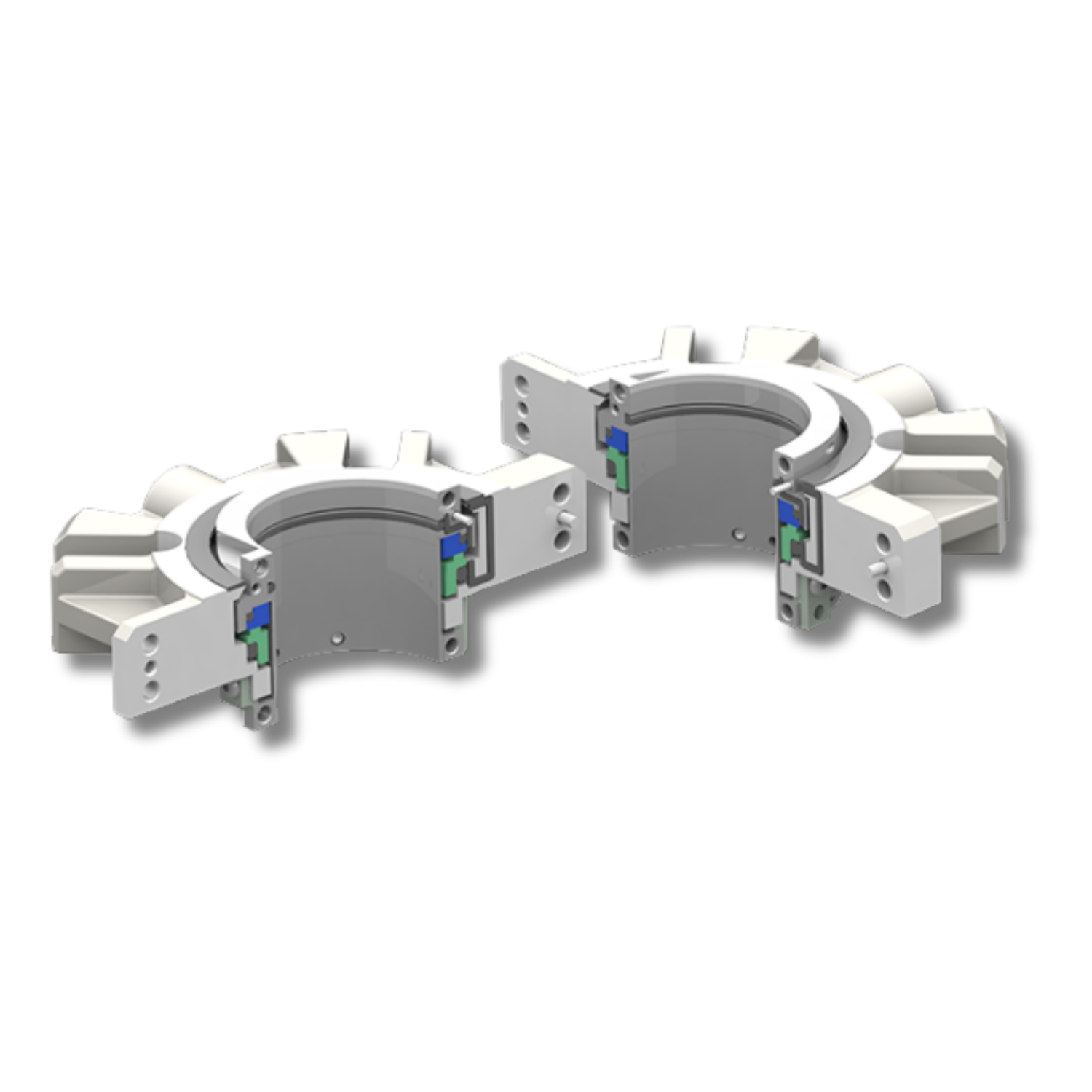
Flexaseal
Engineered Seals & Systems
ANSI & API Mechanical Seals
Mechanical Seal Repair Program
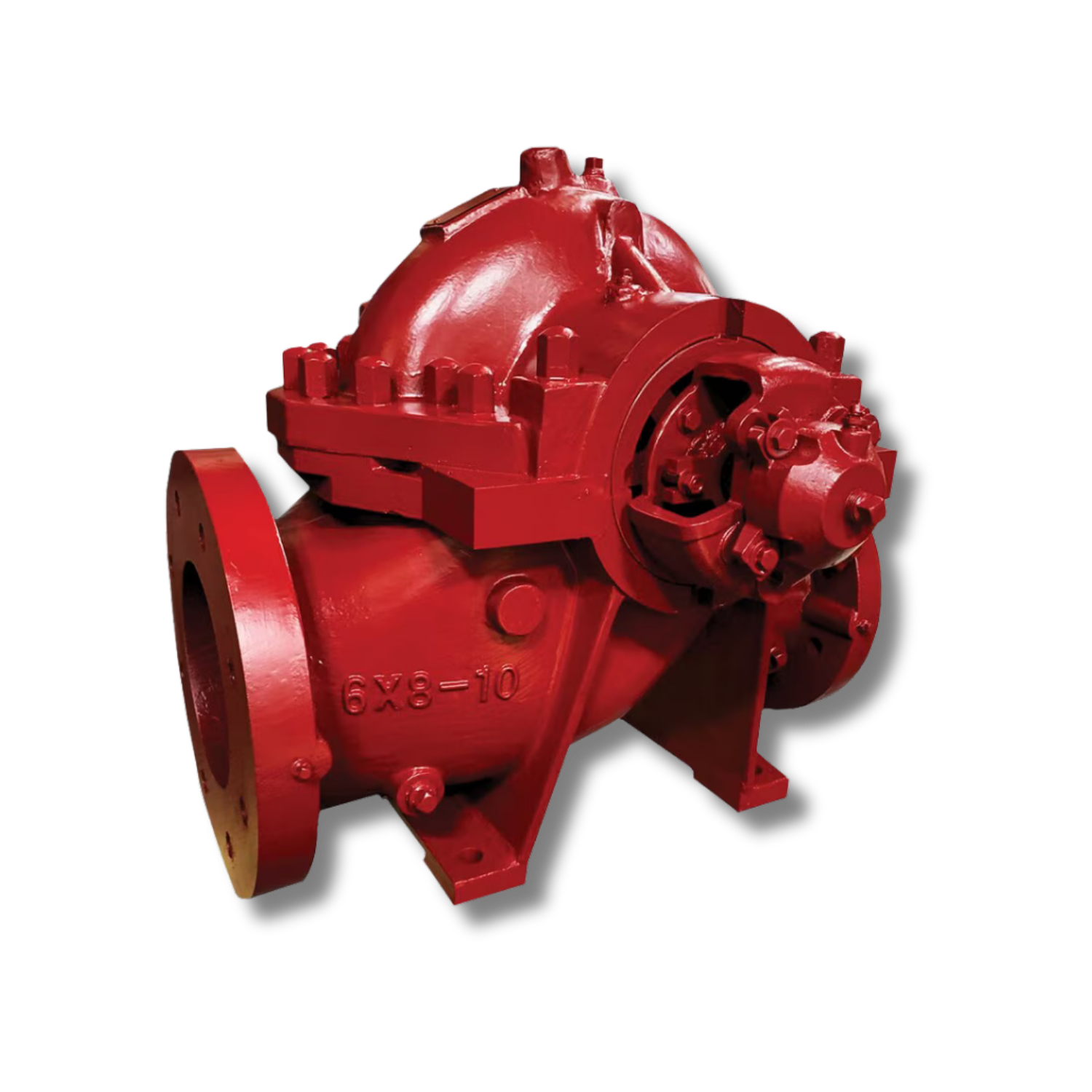
American Marsh
Split End Case
End Suctions Pump
Vertical Incline Pumps
Vertical Turbine Pumps
Self-Priming Pumps
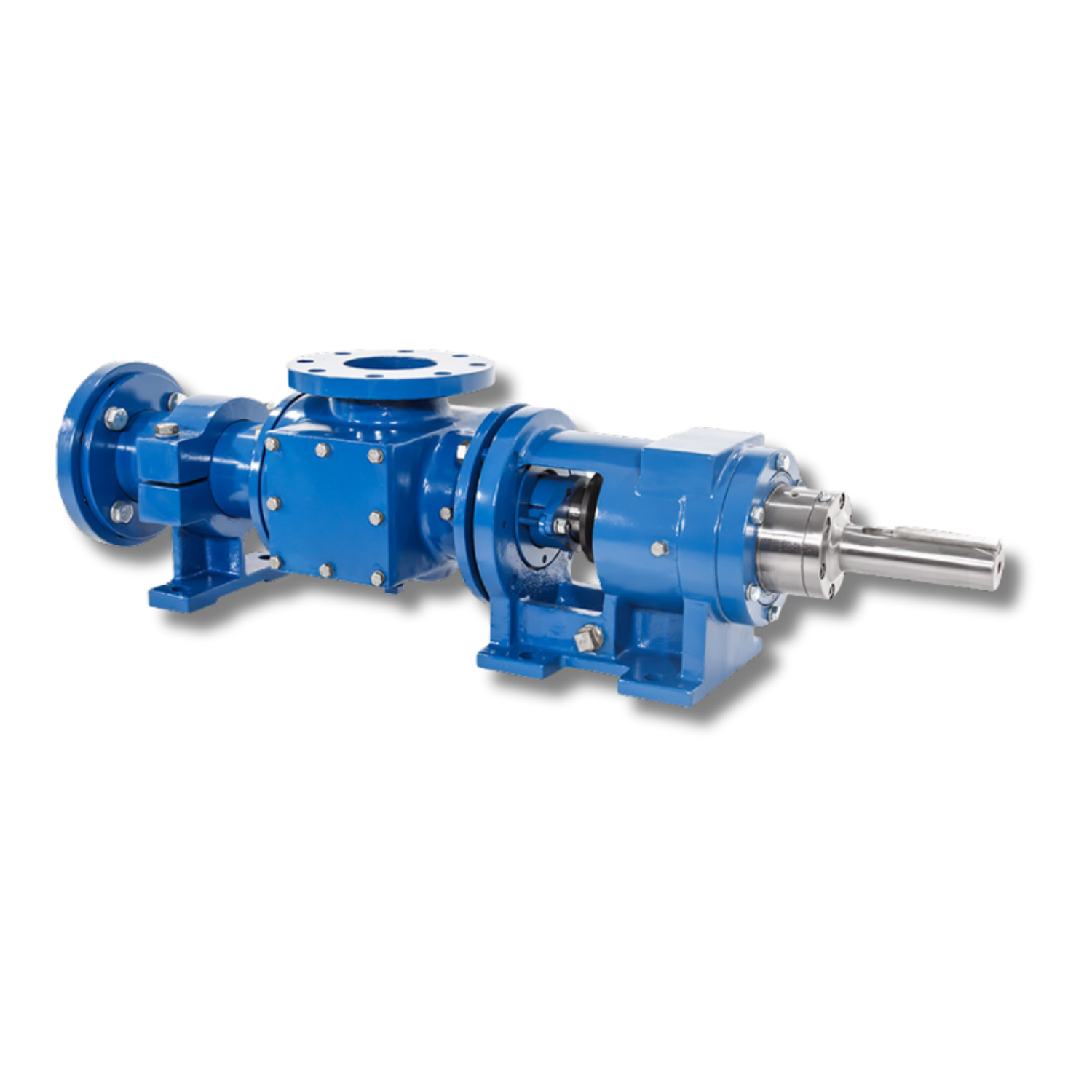
Liberty Process
Millennium Series Progressive Cavity Pumps
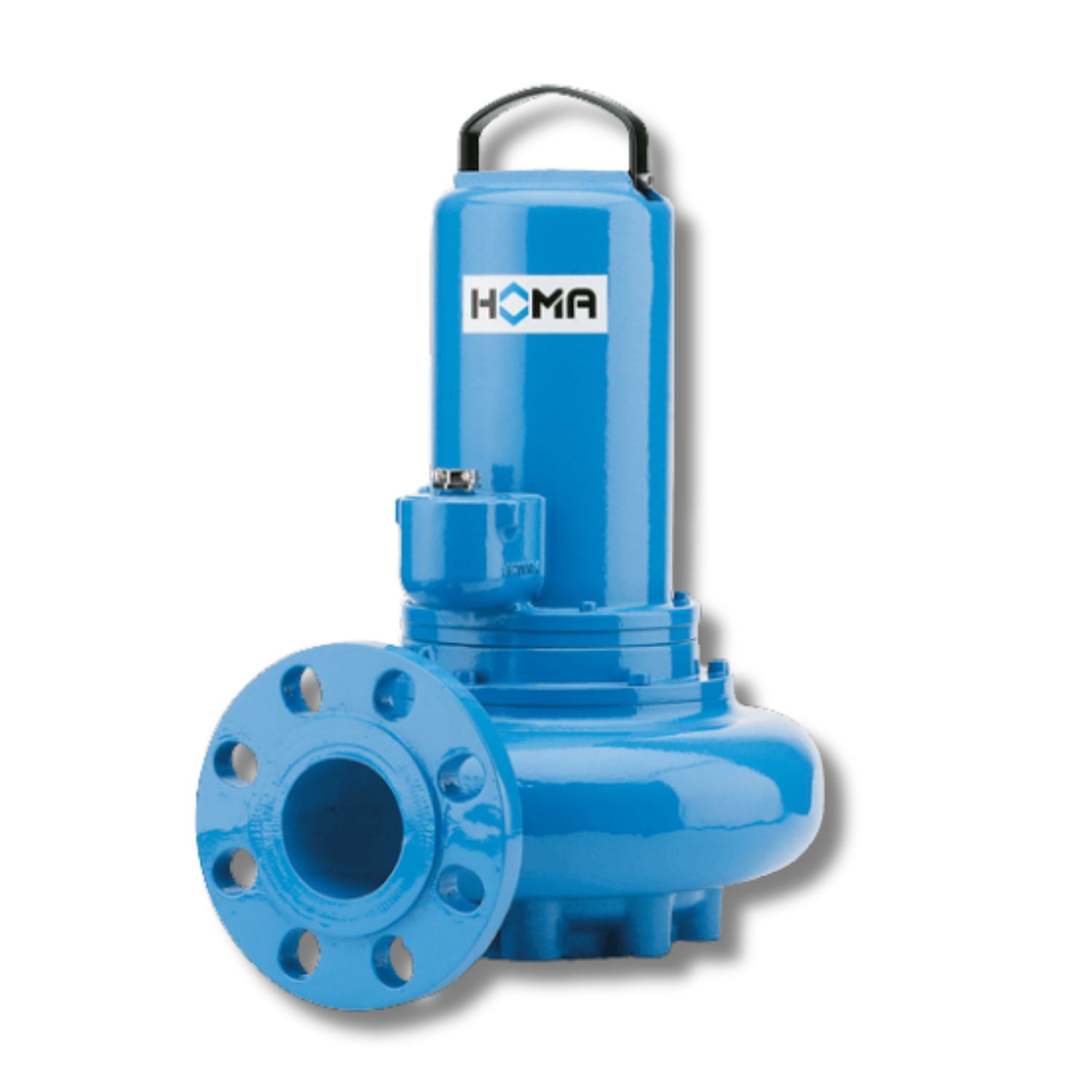
HOMA
Submersible Pumps
Non-Clog Sewage Pumps
Grinder Pumps
Guide Rail Retrofit Adapters
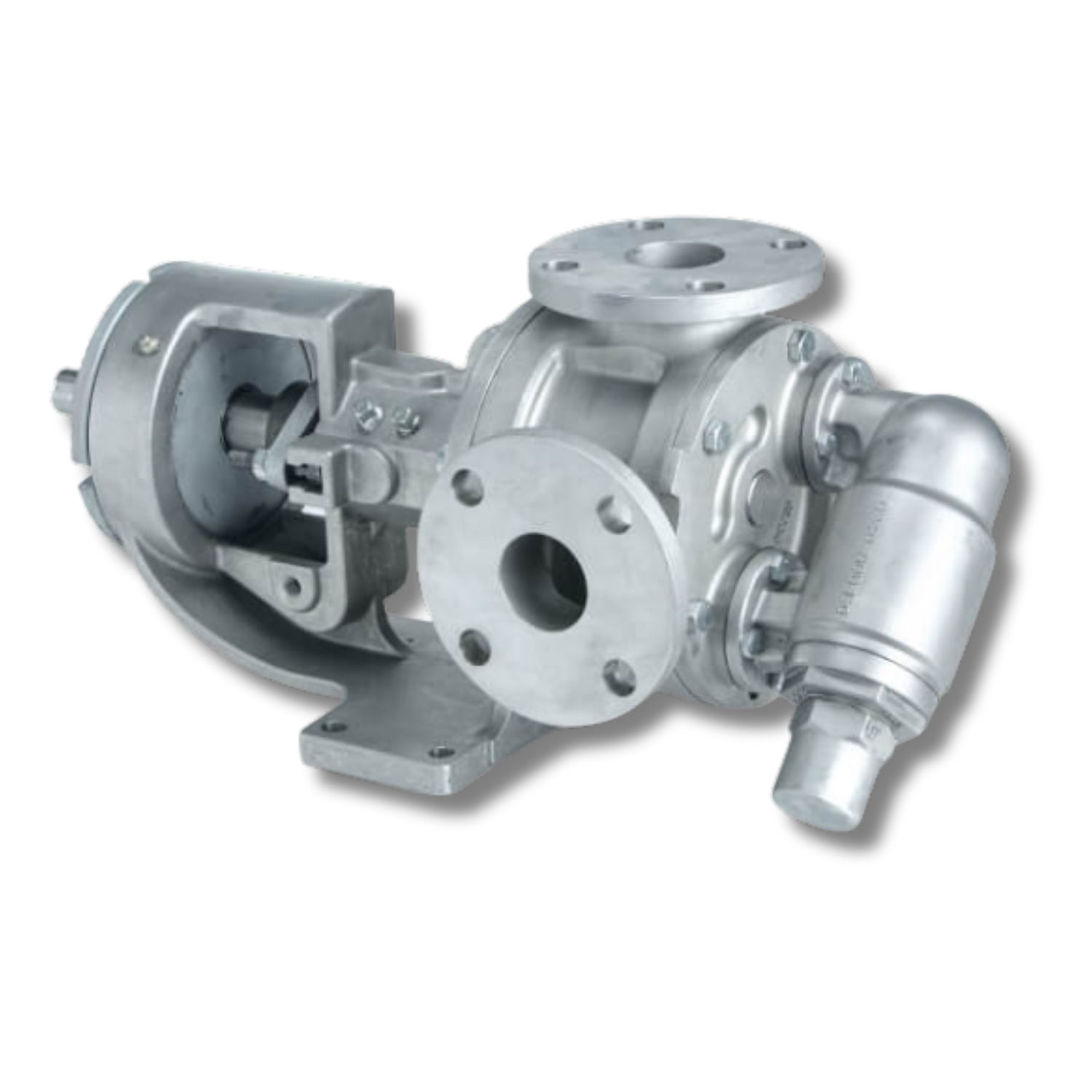
Blackmer Gear
Positive Displacement Gear Pumps
Internal Gear Pumps
Magnetically Coupled
Seal-Less
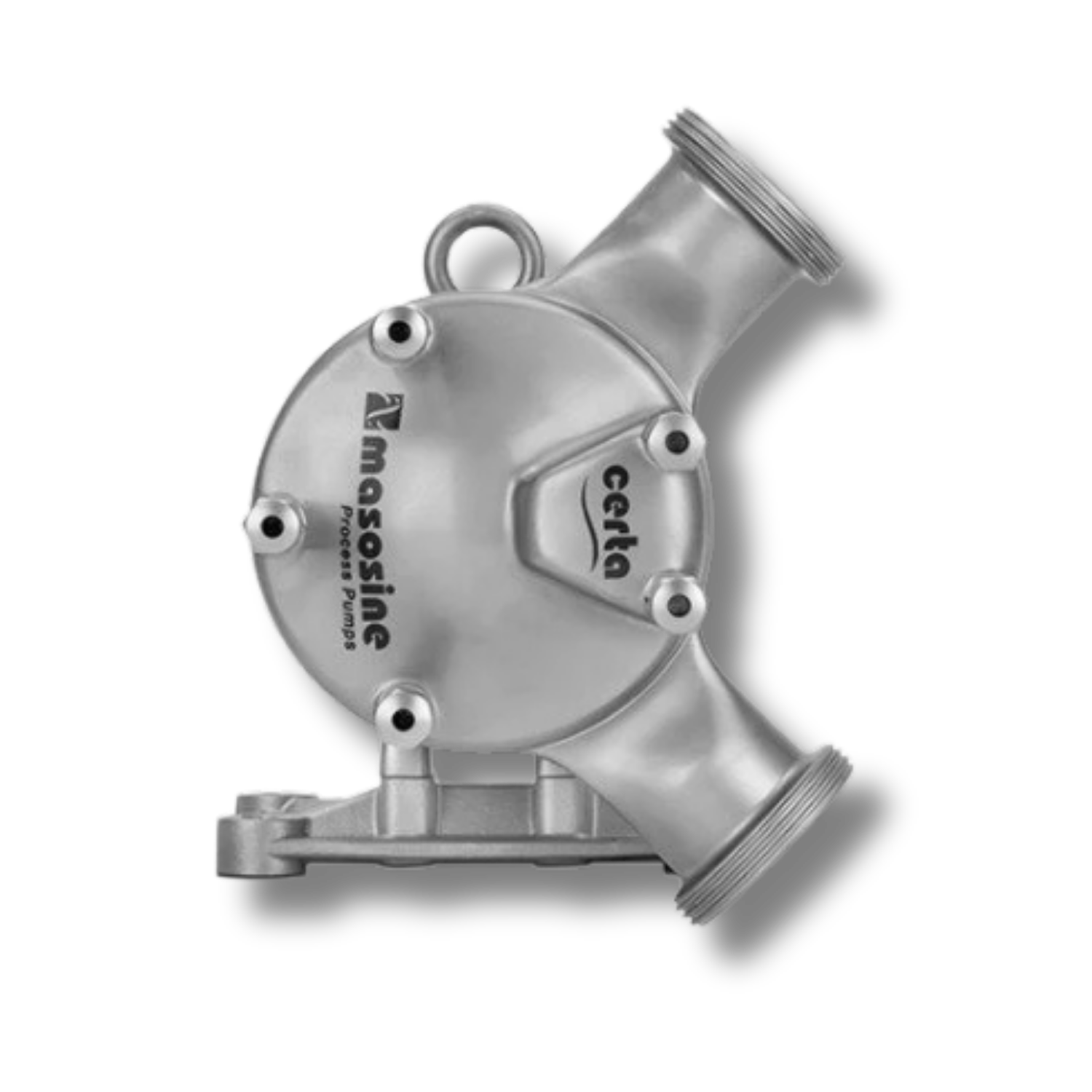
Masosine Certa
Cleaner than any lobe or circumferential piston pump
3A and EHEDG Certifications
Low shear handling
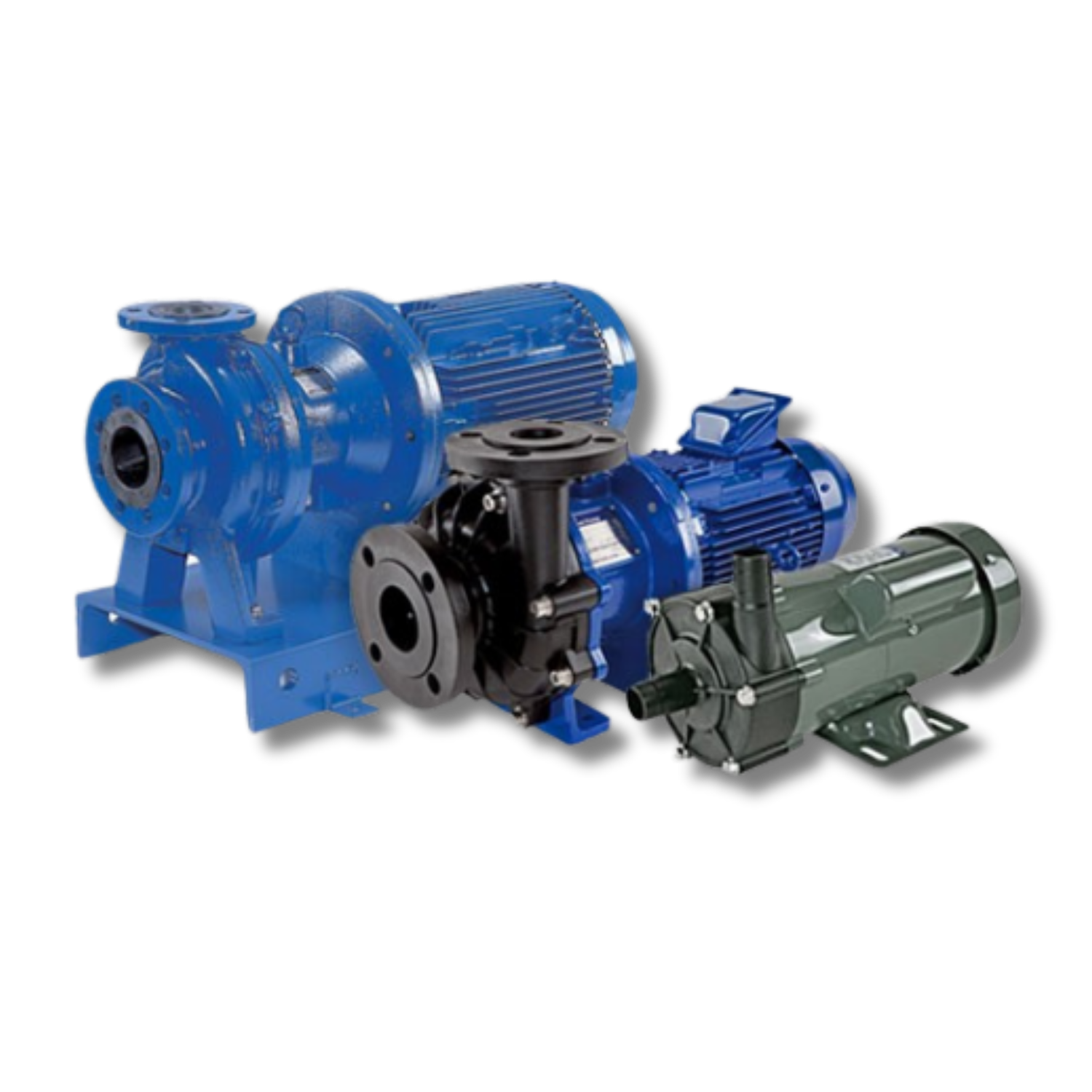
IWAKI America
Magnetic Drive Pumps
Metering Pumps
Pump Overview FAQ
What types of industrial pumps does Process & Power offer?
Our pump range covers centrifugal, submersible, metering, diaphragm, gear, progressive cavity, hose, and hygienic process equipment. We also offer related sealing and system components.
How do I choose between a centrifugal and positive displacement pump?
Compare flow, pressure, viscosity, solids, and control requirements. Centrifugal and positive displacement designs respond differently to system resistance, so the choice should start with the duty rather than a preferred brand.
What details are needed to select a pump?
Provide the liquid, required flow, pressure or total head, temperature, viscosity, solids, suction conditions, and runtime. Include power supply and installation constraints.
Can you help with chemical transfer and dosing?
Yes. We can review transfer and metering options around chemical compatibility and required delivery. Identify the concentration, temperature, pressure, and control requirements for the application.
What pump options are available for wastewater or sludge?
Depending on the fluid, options may include solids-handling submersible, chopper, progressive cavity, or hose designs. Solids size, fibers, abrasion, and required pressure help narrow the selection.
Can you help select pumps for food and beverage products?
Yes. Hygienic selection should address product sensitivity, viscosity, particles, cleaning requirements, and documentation. Confirm that the specific configuration suits both production and cleaning duties.
Why does the complete piping system matter?
Piping, valves, elevation, and inlet conditions determine what the pump must overcome. A pump can underperform when selected without accounting for the system it serves.
What is total dynamic head?
It expresses the total energy the pump must add, including elevation, pressure differences, and friction losses. The required head changes with flow and system conditions.
Can I size a replacement from horsepower alone?
No. Two pumps with the same motor horsepower can have very different performance. Compare the required duty, liquid properties, pump curve, and physical installation.
What warning signs suggest a pump needs service?
New noise, vibration, leakage, declining output, overheating, or repeated alarms deserve attention. Record the symptoms and operating conditions to help identify the cause.
Can Process & Power evaluate an existing pumping system?
Yes. A review can consider the pump, driver, piping, controls, and process demand. Provide operating measurements and describe any recent changes or recurring failures.
Should older equipment be rebuilt or replaced?
Compare condition, repair scope, parts availability, downtime, and current needs. A rebuild may restore useful service, while changed production demands may favor a different selection.
Can better pump selection reduce energy costs?
It may. Matching the operating point, correcting restrictions, and choosing suitable controls can improve performance. Measure the actual duty before estimating savings.
Do you offer mechanical seals and supporting equipment?
Yes. The pump section includes mechanical seals, filtration, tanks, motors, controls, and engineered equipment. These components should be selected as parts of the complete process.
Where can I get pump selection and service support?
Contact Process & Power at (901) 362-5500 with your location, equipment identification, and application or service concern. The team can review selection, parts, and service options for your needs.
What should I send when requesting a quote?
Include the required duty, fluid or process details, operating conditions, utilities, and installation dimensions. For existing equipment, add nameplate photos, model and serial numbers, and a description of the problem or planned change.