Vertiflo Pump Company
At Process & Power, we proudly supply pumps from Vertiflo Pump Company, an American manufacturer known for durable, high-performance pumping solutions since 1979. Vertiflo designs their pumps with efficiency, long service life, and ease of maintenance in mind — making them a trusted choice across industries.
Product Highlights
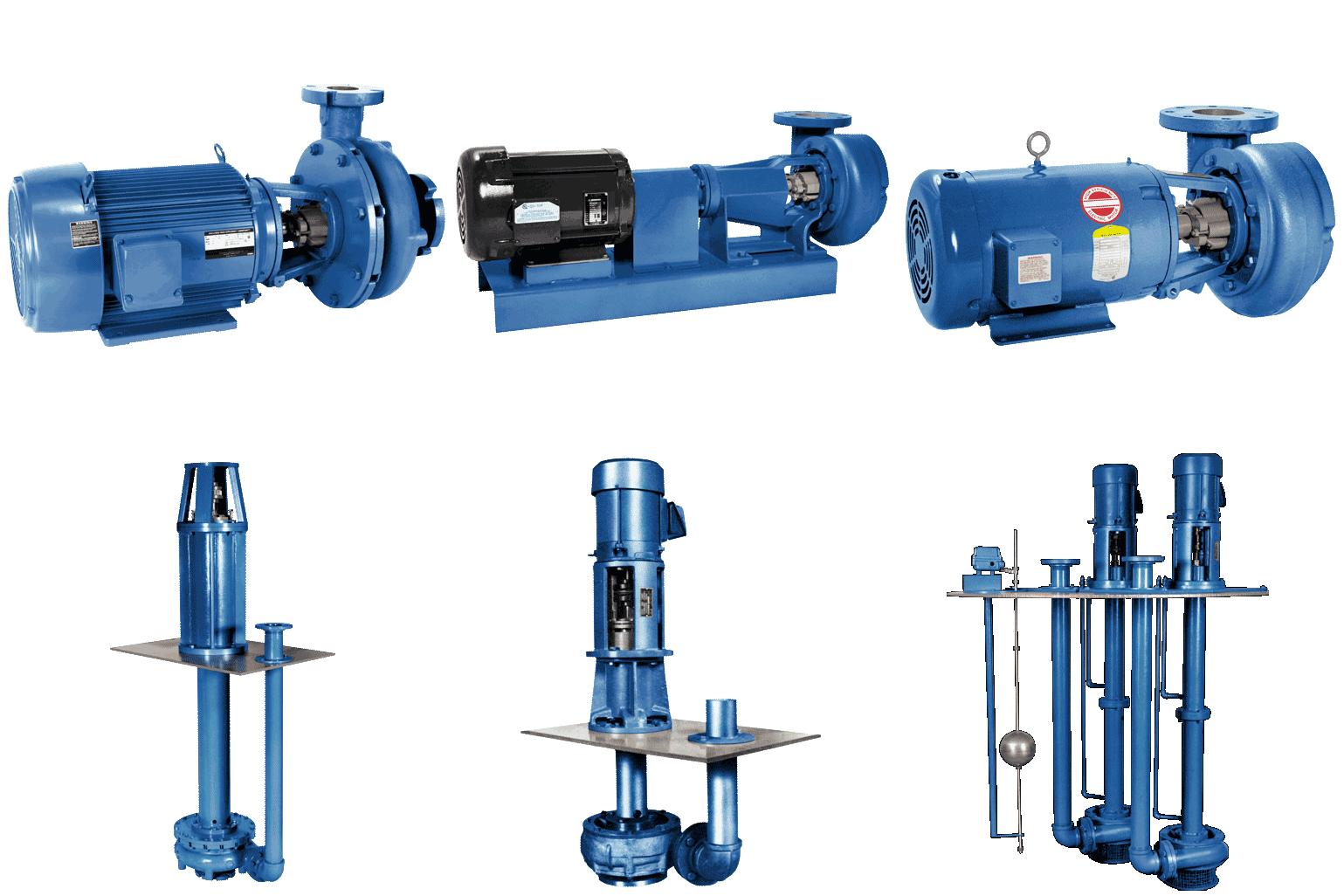
Vertical Sump Pumps – Heavy-duty construction for wastewater, slurries, and industrial processes.
End-Suction Centrifugal Pumps – Versatile and efficient for process water, cooling, and general use.
Self-Priming Pumps – Dependable operation in applications requiring suction lift.
Horizontal Process Pumps – Built for handling chemicals, wastewater, and corrosive liquids.
Specialty Pumps – Including abrasive service and hot oil models for unique challenges.
Why Choose Vertiflo?
Proven reliability in demanding industrial environments
Easy maintenance and reduced downtime
Wide selection to fit virtually any pumping application
Contact Process & Power for Vertiflo Pumps
Located at: 1721 Corporate Avenue • Memphis, TN 38132
Call us at: (901) 362-5500
Contact Us
Vertiflo Pumps FAQ
What Vertiflo equipment is available?
The featured range includes vertical sump, end-suction, self-priming, and horizontal process pumps, along with options for specialized operating duties.
When is a vertical sump pump useful?
It can suit pits or tanks where a vertical arrangement fits the process and available space. Sump depth, liquid level, solids, and installation access influence the selection.
What dimensions are needed for a sump-pump quote?
Provide pit depth, mounting elevation, discharge arrangement, and minimum and maximum liquid levels. Include drawings showing obstructions and available removal space.
Can Vertiflo equipment handle abrasive liquids?
Suitability depends on the selected construction and the particles present. Describe solids concentration, size, and hardness so the expected wear and operating speed can be evaluated.
What should be checked for a hot-liquid application?
Review liquid temperature, vapor pressure, materials, bearings, and sealing requirements. Startup and shutdown conditions can matter as much as the normal operating point.
Does a self-priming pump require an initial liquid fill?
Many designs do. Follow the model's filling and startup instructions; self-priming capability does not mean the pump may be started empty or operated dry indefinitely.
How do I choose the right pump size?
Start with required flow and total head, then check the operating point against the pump curve. Horsepower or pipe size alone is not enough to select a pump.
Why is my pump running but delivering less flow?
Possible causes include suction restrictions, air entry, worn hydraulic components, incorrect rotation, or changed system resistance. Compare measured flow and pressures with the expected operating point.
What is cavitation, and why does it matter?
Cavitation occurs when local pressure falls low enough for vapor bubbles to form and then collapse. Review suction conditions, liquid temperature, and available inlet head when noise or performance changes appear.
What can cause excessive pump vibration?
Alignment, bearings, impeller condition, mounting, piping strain, and hydraulic conditions can all contribute. Record when vibration occurs so inspection can address the cause rather than just the symptom.
Why might a pump seal start leaking?
Dry running, unsuitable seal materials, poor flush conditions, shaft movement, or normal wear can cause leakage. Repeated failures warrant a review of the operating conditions and seal arrangement.
How often should this pump receive maintenance?
Use the model's instructions and service history to set intervals. Track operating hours, leakage, vibration, lubrication requirements, and performance changes rather than relying on a universal calendar schedule.
Should I rebuild the pump or replace it?
Compare inspection findings, parts availability, repair cost, downtime, and current duty requirements. Rebuilding is worth evaluating when the casing and major components remain suitable for the application.
Can a variable-speed drive reduce pumping costs?
It may help when demand varies and the system allows speed adjustment. Check minimum flow, motor suitability, control needs, and measured energy use before estimating savings.
How can I get local support for Vertiflo Pumps?
Contact Process & Power at (901) 362-5500 with your location, equipment identification, and application or service concern. The team can review selection, parts, and service options for your needs.
What should I send when requesting a quote?
Include the required duty, fluid or process details, operating conditions, utilities, and installation dimensions. For existing equipment, add nameplate photos, model and serial numbers, and a description of the problem or planned change.